

- Fertiliser Crisis Risks Global Food Supply: Yara Chief |
- Tarique Warns of Plots Against Democratic Progress |
- PM Calls for Unity, Warns Against Parliament Failure |
- Foreign Debt Repayment Tops $3.5b in Nine Months |
- Biman signs $3.7b Boeing deal for 14 aircraft fleet |
Iran Sends New US Negotiation Plan via Pakistan
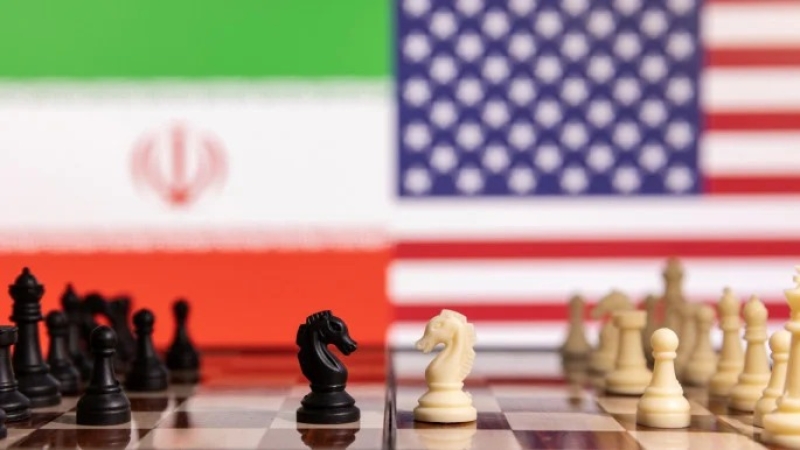
Tehran has sent a fresh proposal for negotiations with the United States through Pakistani mediators, Iran’s state news agency IRNA reported on Friday, a development that could help revive stalled efforts to end the ongoing Iran conflict.
IRNA did not disclose details of the proposal, but oil markets reacted quickly, with prices easing after the report following recent volatility linked to tensions in the Strait of Hormuz.
The strategic waterway, which handles around one-fifth of global oil and gas shipments, has been heavily disrupted amid the crisis. The United States Navy has also moved to block Iranian crude exports, tightening pressure on global energy flows and raising fears of a wider economic slowdown.
It remains unclear whether Washington has received the latest Iranian proposal.
A ceasefire has been in place since 8 April, but uncertainty over possible new military actions has kept markets on edge. Oil prices earlier surged to a four-year high before easing slightly after the latest signals from Tehran.
Iranian officials have said the country is prepared for escalation if attacked, warning of a strong response to any renewed strikes. According to Iranian sources cited by international agencies, Tehran expects any potential US action to be short but intense, possibly followed by further regional escalation.
The United States has not publicly outlined its next steps. Former President Donald Trump said earlier this week that he was not satisfied with Iran’s previous proposals, while diplomatic channels through Pakistan have yet to announce a formal timeline for renewed talks.
Regional tensions have also drawn in Gulf states. UAE presidential adviser Anwar Gargash stressed that international law and collective global action remain essential to securing navigation through the Strait of Hormuz, warning against unilateral arrangements in the region.
Markets remain highly sensitive to developments, with Brent crude trading near $110 per barrel after earlier spikes above $120. Analysts say the situation could remain volatile as long as negotiations stay uncertain and maritime security risks persist.
Iran, meanwhile, has cautioned against expecting quick progress in diplomacy. Officials say the country’s nuclear programme is peaceful, while insisting it will respond firmly to any perceived aggression.
The wider conflict has intensified economic pressure on Iran, but officials suggest the country is still managing to withstand the impact of sanctions and maritime restrictions for now.
Separately, discussions among Western and allied nations continue over securing maritime routes if tensions ease, though no coordinated initiative has been formally launched.