

- BSEC vows investor protection as top priority in IPO reform drive |
- Facebook post triggers tension in Shahbagh JCD-DUCSU brawl |
- Grameen Kalyan plans 300 healthcare centres in 64 districts |
- Italy dismisses replacing Iran at the World Cup, as Trump official says |
- Pentagon dismisses reports on six-month Hormuz closure, slams media |
Nato Chief Meets Trump as Iran Ceasefire Begins
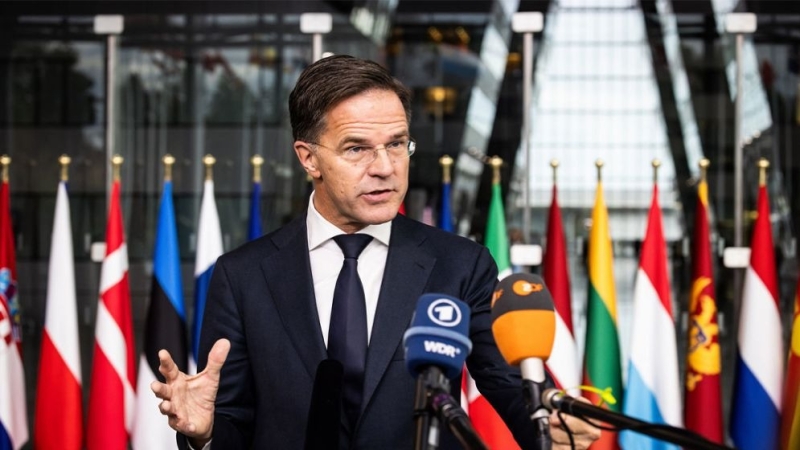
NATO chief Mark Rutte.
Nato Secretary-General Mark Rutte is set to hold talks with US President Donald Trump in Washington on Wednesday, a day after the United States and Iran agreed to a two-week ceasefire.
The meeting comes at a tense moment for the transatlantic alliance, with Trump openly criticising several Western allies over their refusal to support US military action against Iran.
Trump has accused some Nato partners of failing to back Washington during the recent conflict, complaining that they restricted US military access to bases on their soil and declined to take a leading role in efforts to reopen the Strait of Hormuz.
Rutte is expected to meet not only Trump but also US Secretary of State Marco Rubio and Defence Secretary Pete Hegseth, as Nato seeks to ease growing strains within the alliance.
Since Trump returned to power last year, Nato has repeatedly faced turbulence over US policy shifts, including pressure on allies to increase defence spending, uncertainty over support for Ukraine, and Trump’s remarks about Greenland, a territory belonging to fellow Nato member Denmark.
Rutte, who has often been seen as a key figure in managing Trump’s relationship with Nato, is expected to use the Washington visit to steady ties and reinforce alliance unity.
A Nato official said the talks would focus on current security developments, including the situation involving Iran and Russia’s ongoing war in Ukraine.
The official also said Rutte would seek to build on the outcomes of last year’s Nato summit in The Hague, where alliance members agreed to raise defence spending in line with Trump’s long-standing demands.
Trump has long been a vocal critic of Nato, previously calling it “obsolete” and at times questioning the value of US commitments to the alliance.
Concerns have grown further after senior US officials also signalled frustration over differences with allies on Iran. Rubio recently suggested Washington may need to reassess aspects of its relationship with Nato partners amid disagreements over the Middle East conflict.
The latest diplomatic push comes after Washington and Tehran agreed on Tuesday to a two-week ceasefire, just before Trump’s deadline for Iran to reopen the Strait of Hormuz expired.
Under the agreement, Iran is expected to temporarily allow safe passage through the vital waterway, helping ease tensions in a region that has seen weeks of conflict and global concern over energy supplies.
The Washington talks are likely to test whether Nato can maintain unity as divisions over the Middle East and broader security issues continue to widen.