

- PM stresses skills-based, tech-driven higher education to tackle unemployment |
- Multilateralism Needs a New Deal, Can Anyone Deliver it? |
- Measles deaths hit low; US, Mexico, Bolivia lose free status |
- Leather Foundation launched: Fund sought to revive tanneries |
- ‘BARTA’ for local LC messaging, to save $7m a year, launched |
Garment factories resume operations, production returns to normalcy
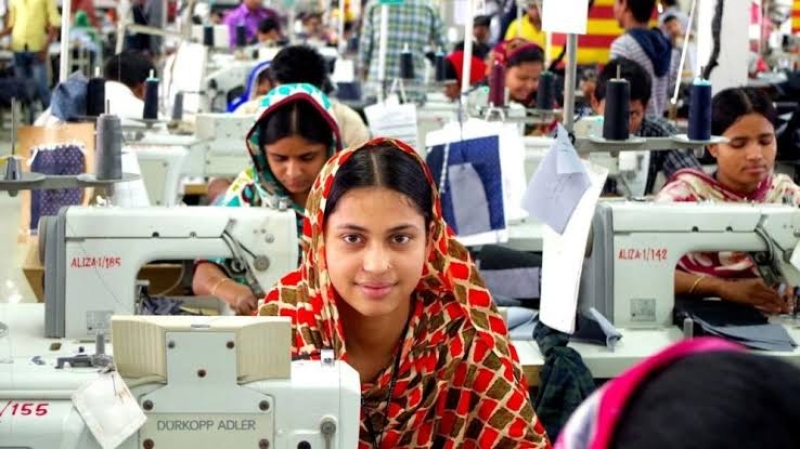
Production has returned to normalcy in garment factories across the country following the announcement of a new minimum wage structure for workers, bringing back work activities in major industrial zones.
Most workers have returned to their workplaces, while factories in Ashulia, Gazipur, Narayanganj and other major industrial areas are operating normally, according to the Industrial Police.
Additional Inspector General of Industrial Police Dr Israil Howlader told BSS that the overall situation in the country's industrial zones remained normal today.
"Most garment workers have joined their workplaces, and regular production is continuing in the factories," he said.
He said a few factories in the Banglabazar and Masterbari areas of Sreepur in Gazipur had announced holidays. However, the overall situation in Gazipur and other industrial areas had improved.
The Industrial Police chief said the situation in Ashulia had remained stable for several days, while problems reported in Gazipur over the past few days had eased by Saturday. There were no significant problems in Narayanganj or other industrial areas, he added.
Referring to the country's nearly 10,000 garment factories, Israil Howlader said isolated incidents of workers' unrest or factory closures could occur at a handful of establishments over delayed wage payments or other demands.
Such incidents should not be considered a reflection of the overall situation in the industrial sector, he said.
The government formed a new wage board for the garment sector on November 1, and the board held its first meeting on November 4.
Following discussions with relevant stakeholders, the board finalised the new wage structure through four meetings within 20 days.
On November 25, Minimum Wage Board Chairman Syed Azad Subhani announced the revised wage structure, raising the minimum monthly wage for garment workers to Tk 17,000 from Tk 12,500, an increase of Tk 4,500 or 36 percent.
Under the new structure, the monthly gross wage for senior operators in Grade 1 has been raised to Tk 21,500 from Tk 15,035, an increase of Tk 6,465 or around 43 percent.
The wage for Grade 2 operators has been increased to Tk 20,000 from Tk 14,273, marking a rise of Tk 5,727 or around 40 percent.
Similarly, the monthly wage for junior operators in Grade 3 has been raised to Tk 19,200 from Tk 13,550, an increase of Tk 5,650 or around 42 percent. The minimum wage for Grade 4 workers has been fixed at Tk 17,000, up from Tk 12,500.
The new wage structure will come into effect on December 1. Workers will receive salaries under the revised structure when factories pay their December wages in January, reports BSS.