

- COP31 Nations Push for Fossil Fuel Action, More Finance |
- WFP Seeks $12.1bn to Feed 91 Million People in 2027 |
- Bangladesh Crosses 300 LEED-Certified Green Factories |
- COP31 delivers deals for host Turkey as climate diplomacy stalls |
- UNGA President Urges Four Steps for Rohingya Justice |
WFP Seeks $12.1bn to Feed 91 Million People in 2027
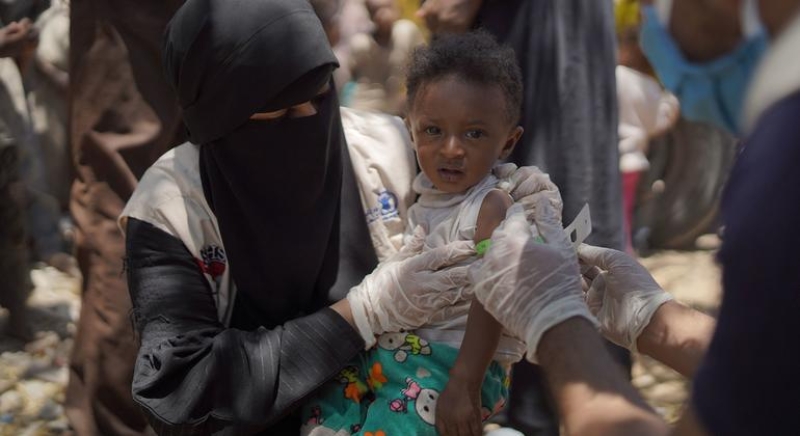
Children living in remote areas in Yemen are receiving nutrition assistance through WFP-supported mobile clinics.
The World Food Programme (WFP) will need $12.1 billion to assist 91 million people in 2027 but has warned that millions more could go hungry as funding shortfalls persist and the world faces the threat of another global food crisis.
The agency will continue making extra efforts to reach displaced and vulnerable people facing severe hunger, said WFP Assistant Executive Director Matthew Hollingworth while presenting the agency's Global Outlook for 2027 to journalists in Geneva.
The report estimates that at least 266 million people worldwide are facing acute hunger as conflicts, economic shocks and climate change continue to drive food insecurity and humanitarian needs. Around 39 million people are experiencing emergency levels of hunger or worse.
'We're leaving people behind'
Continued cuts to aid budgets are forcing WFP to prioritise only the most critical cases, leaving millions without the assistance they need.
“Our teams are having to make very difficult decisions on the ground. Inevitably, that means we're leaving people behind,” Hollingworth said from the agency's headquarters in Rome.
He warned that the gap between people the agency can reach and those it cannot is likely to widen further under current funding conditions.
Hollingworth also highlighted how conflicts have created major disruptions along three crucial shipping routes: the Strait of Hormuz, the Bab al-Mandab Strait and the Black Sea.
Meanwhile, the Super El Niño climate pattern is disrupting harvests, while rising fuel and transportation costs are pushing up food prices.
He warned that the world could soon face a third global food crisis in six years, following the crises triggered by the COVID-19 pandemic and the war in Ukraine.
Flexible funding for greater impact
WFP called for flexible and predictable funding that would allow it to direct resources to areas with the greatest needs and maximise the impact of every dollar.
Laura Turner, the agency's director of public partnerships, highlighted efforts to improve efficiency by taking action before disasters strike and supporting governments and communities.
These initiatives include anticipatory cash assistance, disaster-risk financing and providing cash support wherever possible.
Such measures give families greater choice and dignity, support local markets and strengthen national systems that governments can use to respond to future crises, she said.
Building a better future
WFP is also working with governments and other humanitarian organisations to deliver sustainable, long-term results.
Turner said the Global Outlook highlights not only the scale of the challenges ahead but also the opportunities to combine immediate humanitarian assistance with investments that strengthen communities, institutions and markets.
She said the goal was not simply to respond to hunger in 2027 but also to build a future in which fewer people need emergency assistance.
Source: UN News