

- Greenhouse Gas Levels Reach Record High in 2025: WMO |
- Dengue deaths hit 400 as 11 more die in 24 hours |
- Bangladesh’s Dengue Death Toll Hits 400 After 11 More Deaths |
- Support to coastal security, early completion of MRT lines, Airport Terminal III, business promotion assured |
- Tarique Seeks Japanese Support for Energy, Tech and Infrastructure |
Bangladeshis Among Nationals Trafficked Into Russian Forces: UN
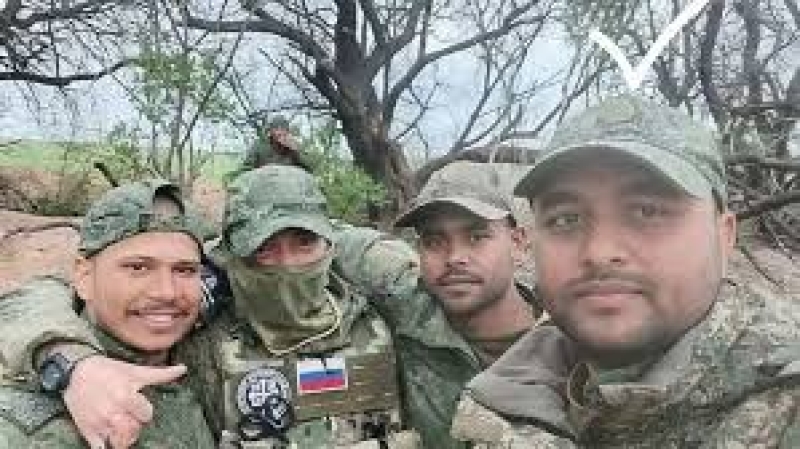
Bangladeshis and nationals from 28 other countries were recruited into the Russian armed forces through deception or coercion, according to a report by the Independent International Commission of Inquiry on Ukraine submitted to the United Nations General Assembly at its 81st session.
The commission found compelling evidence that Russian authorities, in connection with agents or agencies operating in different countries and regions, trafficked people from 29 countries to recruit them into the Russian armed forces.
The report was shared on Monday night, a week after it was submitted to the United Nations.
The 29 countries are Azerbaijan, Bangladesh, Belarus, Bolivia, Brazil, Botswana, Cameroon, Colombia, the Dominican Republic, El Salvador, Ghana, Honduras, India, Jordan, Kenya, Morocco, Nigeria, Peru, the Philippines, South Africa, Somalia, Sri Lanka, Tajikistan, Tunisia, Türkiye, Uganda, Uzbekistan, Yemen and Zimbabwe.
The commission, which investigated the recruitment of nationals from 48 countries, said clear patterns had emerged since 2024 involving the recruitment of foreign nationals from particular countries and regions to serve in the Russian armed forces.
After accepting job offers, the men were pressured to travel quickly, usually within a few days. Recruiting agents processed visas and plane tickets, booked accommodation and arranged other logistical details. Travel documents were prepared in different ways depending on local requirements.
Some recruits were issued business visas, others received short-term tourist visas, while some did not need visas, according to the report.
“For instance, the Commission received copies of business visas given to Bangladeshi recruits, with mention that they had been invited by a civilian company in the Russian Federation,” the report said.
Kenyan recruits received tourist visas valid for periods ranging from two weeks to four months, despite travelling for work. Recruits from the Dominican Republic, Colombia and Peru were instructed by a recruiting agency to travel without visas, with documents describing their trips as tourist tours in Türkiye or Russia, the report said.
After arriving in Russia, many recruits were forced to sign contracts in Russian with the country’s Ministry of Defence. Their phones and passports were often confiscated, and they discovered they would be serving in the Russian armed forces rather than doing the civilian jobs they had been promised, according to the report.
The men were subsequently deployed to frontlines in Ukraine and assigned dangerous tasks. Many have been killed or gone missing, the commission said.
The departure, disappearance, injury, death or capture of the recruits has had a lasting psychological impact on their families, who have made extensive efforts to locate their loved ones, the report added.
However, the report does not specify how many Bangladeshi nationals were recruited, killed, injured or reported missing.
It also does not establish that every foreign national serving in the Russian armed forces was trafficked.