

- Dhaka's air decorded unhealthy for sensitive groups Sunday morning |
- Meet Earth’s newest wild cat species, the first named in over a century |
- Bus torched in Mymensingh early Sunday |
- Anthropic, OpenAI, SpaceXAI, Google deal on AI slowdown illegal? |
- 13-Year-Old Apratim’s Death Leaves Cumilla in Grief |
71% of Schools Lack Adequate Toilets, BBS Survey Shows
Representational image. Photo: Collected
A recent survey by the Bangladesh Bureau of Statistics (BBS) reveals that 71.4% of schools in Bangladesh do not have at least one improved toilet per 50 students, posing serious risks to health, hygiene, and learning conditions. Only 28.6% of schools meet the international minimum standard.
The "WASH in Education and Healthcare Facilities Survey 2024," released today in Dhaka, also highlighted weak waste management practices. Only 33.9% of schools and 45.4% of healthcare facilities safely manage human excreta, raising concerns over environmental pollution and disease transmission.
The survey, covering all eight divisions and 64 districts, found that while 95.4% of schools and 87.5% of healthcare facilities have access to improved water sources, only 86.1% of schools and 70.5% of healthcare facilities meet the standard for basic water service within the premises. Accessibility for persons with disabilities is limited, with 55.4% of schools and 40.9% of healthcare facilities providing disability-friendly access.
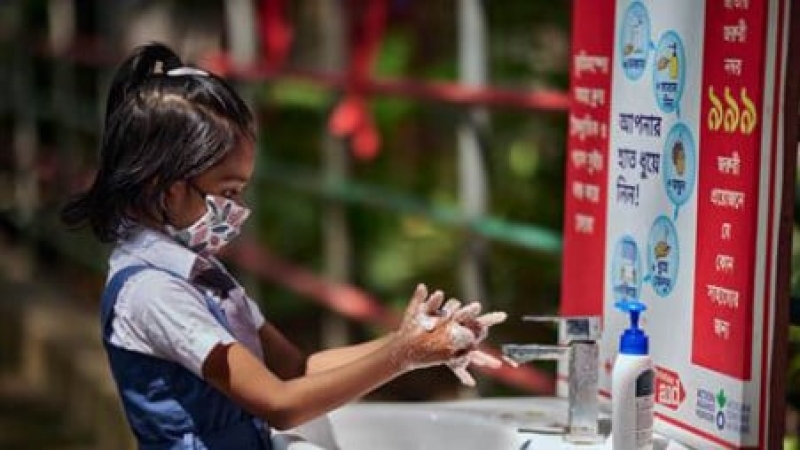
Financial support for WASH (Water, Sanitation, and Hygiene) remains low, with only 11.1% of schools and 34.9% of healthcare facilities having dedicated budgets. Although most institutions have at least one toilet, only 51.7% of schools and 5% of healthcare facilities meet standards for basic handwashing facilities.
The survey also identified gaps in menstrual health management, noting that only 20.7% of schools have separate, hygienic toilets for adolescent girls and just 6.9% provide basic menstrual hygiene services. Solid waste disposal is inadequate in healthcare facilities, with 41.6% relying on open burning of waste.
WASH systems are also vulnerable to natural disasters. Over the past year, 24% of schools and 19.4% of healthcare facilities were affected, often damaging water and sanitation infrastructure. Awareness and implementation of climate-resilient measures are low, with only 33.7% of schools and 9.9% of healthcare facilities aware of protective measures.
BBS stressed that without increased investment, proper planning, and stronger focus on inclusive and climate-resilient WASH systems, basic water, sanitation, and hygiene services in schools and healthcare facilities will remain inadequate, with far-reaching impacts on public health, education, and the environment.