

- Martyred Intellectuals Day on Sunday |
- Campaign from Jan to rein in overuse of antibiotics: Adviser |
- Hadi's condition 'very critical' after bullet causes 'massive brain injury' |
- DMP intensifies drive to arrest attackers of Hadi |
- Tarique terms attack on Hadi a conspiracy against democracy |
UK King Charles says cancer treatment to be reduced in 2026
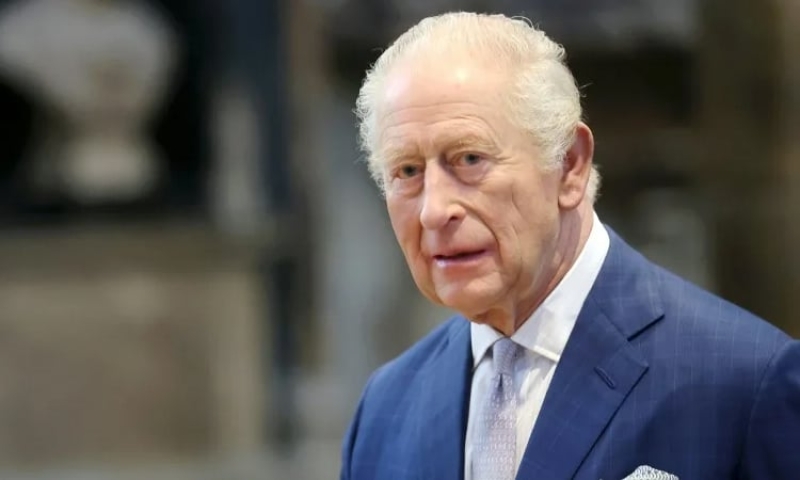
Britain’s King Charles III, who has spoken openly about his cancer battle, shared on Friday that his treatment will be reduced next year.
In a personal video message for an annual cancer research fundraising campaign, the 77-year-old monarch encouraged Britons to use available screening programmes.
“Thanks to early diagnosis, effective intervention, and following doctors’ advice, my own cancer treatment schedule can be reduced in the new year,” Charles said.
The king, who revealed his cancer diagnosis in February 2024, did not specify the type of cancer or treatment he is receiving.
Charles stressed the importance of early detection, noting that when bowel cancer is caught early, nine in 10 patients survive at least five years, compared with only one in 10 when detected late. He emphasized that at least nine million people in the UK are missing recommended cancer screenings.
Prime Minister Keir Starmer welcomed the news, highlighting the life-saving benefits of early screening.
Royal sources confirmed Charles’s cancer was detected in January 2024 during treatment for a benign prostate condition, clarifying that it is not prostate cancer.
Charles has resumed public duties after a brief suspension in early 2024 and has actively participated in official engagements, including hosting world leaders and visiting international sites.
The king’s openness about his illness marks a significant departure from the previous royal tradition of keeping health matters private.
He reflected that a cancer diagnosis is daunting but can also reveal “the very best of humanity,” highlighting the importance of research, care, and early intervention.