

- Climate Alarm ‘Blaring’ as Disasters Intensify: UN |
- ‘Top Criminal’ David Emon Held While Fleeing to India |
- Bangladesh Has Only 189 Tigers, Warns State Minister |
- Study Finds Microplastics In Soybean Oil Sold In Dhaka |
- Study Finds Microplastics in 95% of Sugar Samples in Bangladesh |
New Blood Test Offers Hope for Earlier TB Detection
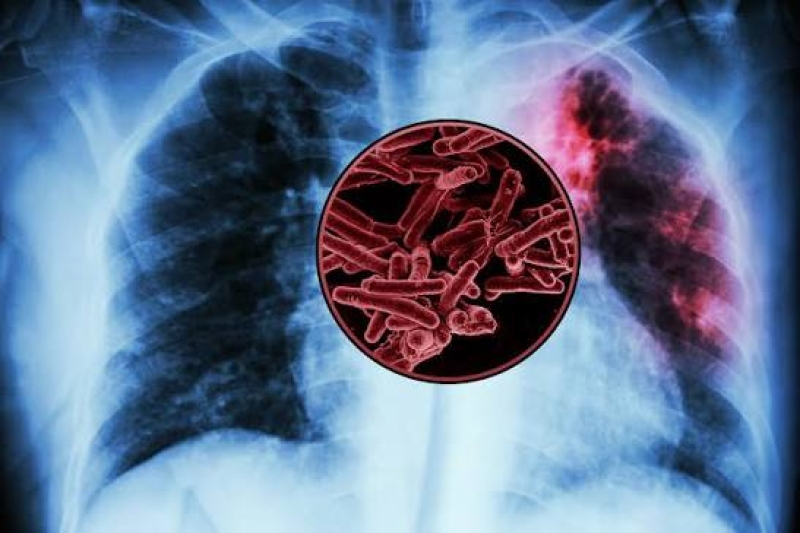
A simple blood test could transform the diagnosis of tuberculosis (TB), offering hope for earlier detection and helping curb the spread of one of the world's deadliest infectious diseases, according to new research presented at the ADLM 2026 meeting in Anaheim on July 29.
The study found that measuring a specific bacterial protein in the bloodstream can accurately identify active TB in patients at different stages of the disease, potentially providing a faster and more accessible alternative to conventional diagnostic methods.
According to the World Health Organization (WHO), around one-quarter of the global population is infected with Mycobacterium tuberculosis, while 5-10 percent eventually develop active, contagious TB.
Although the disease is highly treatable with antibiotics when detected early, current diagnostic methods rely heavily on sputum samples, which many patients in the early stages of infection or those with low bacterial loads are unable to produce.
"Every week of delay in diagnosing TB matters. Early identification may allow treatment to begin sooner and potentially reduce transmission," said Dr Sheng-Wei Pan, lead author of the study and a physician at Taipei Veterans General Hospital in Taiwan.
"Non-sputum-based diagnostic tools are urgently needed," he added.
To address this challenge, researchers used an advanced biosensor capable of detecting extremely small amounts of ESAT-6, a protein released directly by the TB bacterium.
Although ESAT-6 has been studied before, previous technologies lacked the sensitivity needed to distinguish active pulmonary TB from latent infection, past exposure or other lung diseases.
The researchers analysed blood samples from 217 participants, including patients with active TB, latent TB, non-TB mycobacterial infections, lung cancer and healthy volunteers.
The results showed a clear pattern: uninfected individuals exposed to TB had the lowest ESAT-6 levels, patients with latent TB had moderate levels, and those with active TB recorded the highest concentrations.
The association remained strong even after accounting for factors such as age, sex and underlying conditions, including diabetes.
Because ESAT-6 is produced directly by the TB bacterium rather than reflecting the body's immune response, the new test outperformed two commonly used blood-based biomarkers in detecting active disease.
Researchers said that while sputum cultures will remain essential for confirming drug resistance, the ESAT-6 blood test could serve as an effective screening tool when sputum samples are difficult or impossible to obtain.
The research team is now planning a prospective clinical study to evaluate the test's performance in real-world settings before seeking broader implementation in healthcare systems.