

- Tungipara Police Station, MP's Residence Set on Fire |
- ACC Seeks Red Notices for Hasina, Joy, Putul and Tulip |
- PM Calls for Broader Skills by Class 12 Completion |
- Winter rains deepen Gaza crisis amid restricted access and aid cuts |
- At ASEAN Summit, Guterres upholds co-op and action on Myanmar |
Rooppur Plant Set for First Trial Grid Connection
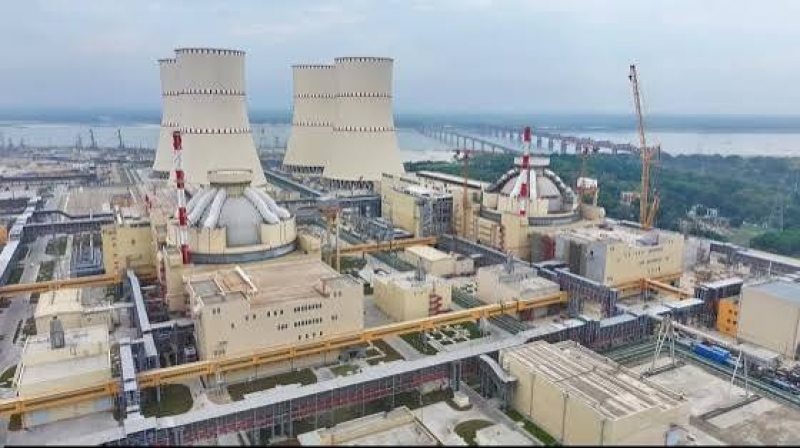
Bangladesh’s first nuclear power plant at Rooppur is preparing for its first trial connection to the national electricity grid, marking a major step towards nuclear power generation in the country.
The first unit of the Rooppur Nuclear Power Plant in Ishwardi, Pabna, is expected to supply up to 240 megawatts (MW) of electricity during the experimental connection on Tuesday (November 17).
The trial connection is intended to assess how electricity generated by the plant is transferred to the national grid and whether the power system can maintain stability during the process.
Project officials said the unit would initially supply electricity for a few hours before being disconnected for further technical tests. The reactor, turbine, generator and other key equipment will be examined as part of the process.
The Bangladesh Atomic Energy Regulatory Authority (BAERA) will review the test results and provide the necessary clearance before the plant proceeds to the next stage of trial operations.
Officials have clarified that the experimental connection does not mean commercial electricity supply has begun. Further technical and safety tests will be required before the plant can enter regular operation.
The first unit is expected to reach its full generation capacity gradually over the coming months, depending on the results of the tests and regulatory approvals.
The Rooppur Nuclear Power Plant has two units, each with a designed generation capacity of 1,200MW, giving the facility a total capacity of 2,400MW.
The project is being implemented by the Bangladesh Atomic Energy Commission with Russian technical and financial assistance. The Nuclear Power Plant Company Bangladesh Limited (NPCBL) is designated to operate the facility.
Once fully operational, the plant is expected to make a significant contribution to Bangladesh’s electricity supply and strengthen the country's energy security.