

- Bangladesh, Iran Speakers Discuss Bilateral Ties |
- 40 Killed as Bus Plunges Into Ravine in Pakistan |
- Budget steps help stabilize prices of essential commodities |
- Bangladesh likely to face flooding in July-August |
- China open to other countries for economic corridor: Envoy Yao Wen |
Global energy, trade turmoil threatens to push millions into poverty
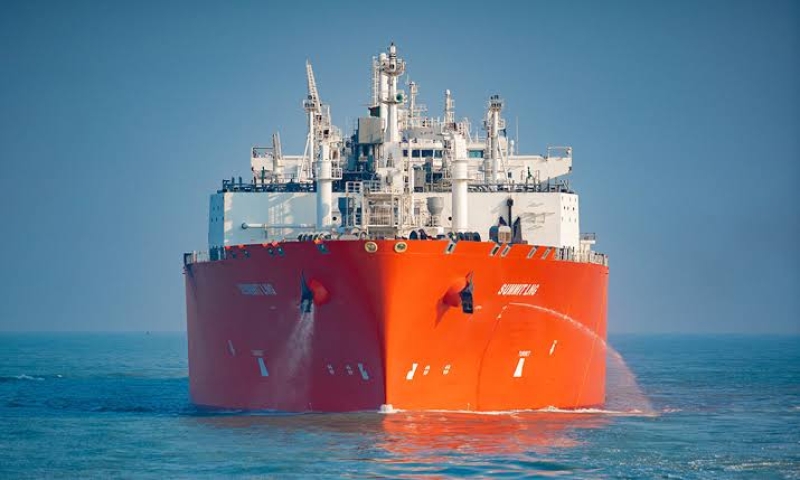
Energy trade
Global disruptions to energy supplies and trade routes are increasing the cost of food, transportation and essential goods around the world, weakening economic growth and placing greater strain on vulnerable households and debt-burdened developing nations.
The concerns were raised during a special session of the United Nations Economic and Social Council (ECOSOC) on Friday, which focused on protecting energy and trade flows amid ongoing instability in fuel markets, shipping networks and supply chains.
“This is not only an energy challenge. It is a development challenge. It is a financing challenge,” ECOSOC President Lok Bahadur Thapa told delegates at UN Headquarters in New York.
“Above all, it is a test of our collective ability to deliver on the promise of the 2030 Agenda.”
The 2030 Agenda, adopted by all UN Member States in 2015, aims to eradicate poverty, reduce inequality and protect the planet through sustainable development goals by the end of the decade.
Rising fuel prices worsening hardship
Higher fuel and transportation costs, along with trade disruptions and tighter financial conditions, are increasing pressure on developing economies — especially those heavily reliant on imported food and energy and already struggling with debt.
UN estimates show that global fuel prices are currently more than twice the 2025 average. Fertilizer prices may also stay 15 to 20 per cent higher through the first half of 2026 if current disruptions persist. These increases are already contributing to higher food prices and living expenses worldwide.
“More than 32 million additional people are at risk of being pushed into poverty globally as a result of the combined shock of rising energy prices, higher food costs and weakening economic growth,” Mr. Thapa said.
Global disruptions to energy supplies and trade routes are increasing the cost of food, transportation and essential goods around the world, weakening economic growth and placing greater strain on vulnerable households and debt-burdened developing nations.
The concerns were raised during a special session of the United Nations Economic and Social Council (ECOSOC) on Friday, which focused on protecting energy and trade flows amid ongoing instability in fuel markets, shipping networks and supply chains.
“This is not only an energy challenge. It is a development challenge. It is a financing challenge,” ECOSOC President Lok Bahadur Thapa told delegates at UN Headquarters in New York.
“Above all, it is a test of our collective ability to deliver on the promise of the 2030 Agenda.”
The 2030 Agenda, adopted by all UN Member States in 2015, aims to eradicate poverty, reduce inequality and protect the planet through sustainable development goals by the end of the decade.
Rising fuel prices worsening hardship
Higher fuel and transportation costs, along with trade disruptions and tighter financial conditions, are increasing pressure on developing economies — especially those heavily reliant on imported food and energy and already struggling with debt.
UN estimates show that global fuel prices are currently more than twice the 2025 average. Fertilizer prices may also stay 15 to 20 per cent higher through the first half of 2026 if current disruptions persist. These increases are already contributing to higher food prices and living expenses worldwide.
“More than 32 million additional people are at risk of being pushed into poverty globally as a result of the combined shock of rising energy prices, higher food costs and weakening economic growth,” Mr. Thapa said.
Women and youth among the hardest hit
Women, children and young people are particularly vulnerable to rising energy and food costs, especially in countries where families spend much of their income on basic necessities.
Li Junhua, the UN Under-Secretary-General for Economic and Social Affairs, warned that instability in energy and supply systems is putting additional stress on an already fragile global economy by fuelling inflation and limiting governments’ ability to invest in key sectors.
“Safeguarding energy and supply flows is therefore not just an economic imperative; it is a fundamental requirement for achieving inclusive and sustainable development,” he said.
Li identified four urgent priorities: maintaining open and predictable energy and commodity markets, expanding affordable financing for developing nations, investing in resilient and sustainable energy infrastructure, and accelerating progress toward Sustainable Development Goal 7, which focuses on access to affordable and reliable energy.
Small island nations face severe consequences
Mia Mottley, Prime Minister of Barbados, highlighted how small island economies dependent on imported fuel and food are especially exposed to global instability.
“Energy is just never energy,” she said. “It is medicine, it is food, it is learning, it is work. It is dignity in a household and sovereignty in a nation.”
Referring to the broader effects of instability in the Middle East, Ms. Mottley said international crises quickly spread through shipping routes, fuel prices and government budgets before affecting ordinary citizens.
“It arrives as the delayed medical shipment. It arrives in the higher bus fare. It arrives in the smaller plate,” she said.
Barbados imports over 85 per cent of its energy, while the wider Caribbean region imports more than 80 per cent of its food supply.
“Small size does not soften the shock; it often makes it faster and more expensive,” she added.
Calls for global cooperation
Thapa urged countries to avoid fragmented responses and instead pursue coordinated international action involving governments, financial institutions, development banks, businesses and civil society.
“The question is whether we respond through fragmentation and short-term reaction, or through cooperation, solidarity and shared responsibility,” he said.
UN officials also stressed the importance of increasing investment in renewable energy, stronger infrastructure and more resilient trade and energy systems to reduce future risks.
“With coordinated action, sustained investment and a renewed commitment to multilateralism, we can build more resilient energy systems, secure supply chains and further promote inclusive and sustainable development,” Li said.
Li Junhua, the UN Under-Secretary-General for Economic and Social Affairs, warned that instability in energy and supply systems is putting additional stress on an already fragile global economy by fuelling inflation and limiting governments’ ability to invest in key sectors.
“Safeguarding energy and supply flows is therefore not just an economic imperative; it is a fundamental requirement for achieving inclusive and sustainable development,” he said.
Li identified four urgent priorities: maintaining open and predictable energy and commodity markets, expanding affordable financing for developing nations, investing in resilient and sustainable energy infrastructure, and accelerating progress toward Sustainable Development Goal 7, which focuses on access to affordable and reliable energy.
Small island nations face severe consequences
Mia Mottley, Prime Minister of Barbados, highlighted how small island economies dependent on imported fuel and food are especially exposed to global instability.
“Energy is just never energy,” she said. “It is medicine, it is food, it is learning, it is work. It is dignity in a household and sovereignty in a nation.”
Referring to the broader effects of instability in the Middle East, Ms. Mottley said international crises quickly spread through shipping routes, fuel prices and government budgets before affecting ordinary citizens.
“It arrives as the delayed medical shipment. It arrives in the higher bus fare. It arrives in the smaller plate,” she said.
Barbados imports over 85 per cent of its energy, while the wider Caribbean region imports more than 80 per cent of its food supply.
“Small size does not soften the shock; it often makes it faster and more expensive,” she added.
Calls for global cooperation
Thapa urged countries to avoid fragmented responses and instead pursue coordinated international action involving governments, financial institutions, development banks, businesses and civil society.
“The question is whether we respond through fragmentation and short-term reaction, or through cooperation, solidarity and shared responsibility,” he said.
UN officials also stressed the importance of increasing investment in renewable energy, stronger infrastructure and more resilient trade and energy systems to reduce future risks.
“With coordinated action, sustained investment and a renewed commitment to multilateralism, we can build more resilient energy systems, secure supply chains and further promote inclusive and sustainable development,” Li said.