

- COP31: Bangladesh Calls for Grants to Ensure Climate Justice |
- Bangladesh, Türkiye Leaders Hold Bilateral Talks |
- Climate talks start in Antalya, after wrangle over agenda items |
- 8 Die of Dengue as 1,595 More Are Hospitalised |
- Hasina to Face Execution Process if She Returns: Prosecutor |
Poverty and Inequality Rising in Bangladesh: Experts
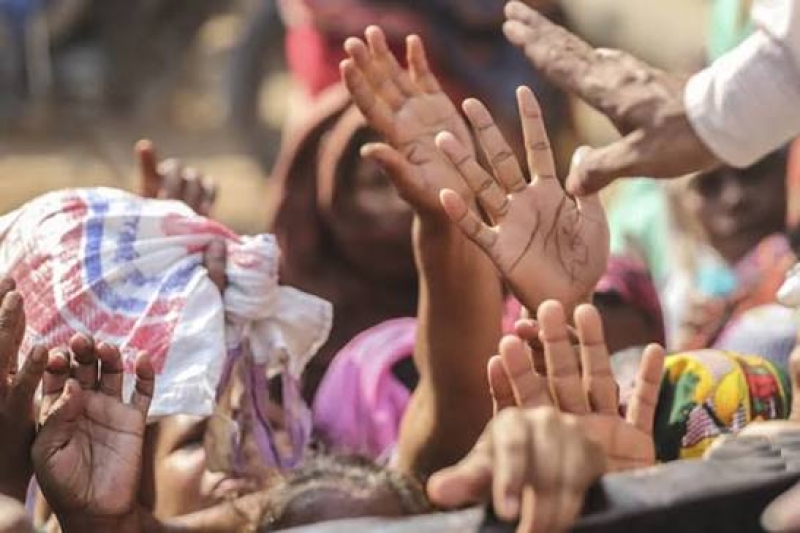
Poverty and income inequality are rising in Bangladesh, with an estimated 60-70 percent of the population either living below the poverty line or remaining vulnerable to falling into poverty, economist Dr Qazi Kholiquzzaman Ahmad said on Tuesday.
“Poverty is increasing, and there is no room for doubt about it,” he said at the launch of the Bangladesh Poverty Watch Report 2025: Demystifying Poverty Dynamics of Slum Dwellers in Dhaka City at the BRAC Centre in the capital.
Citing estimates from different research organisations, he said the poverty rate in 2025 stood at 21.4 percent according to the World Bank, 23.1 percent according to the Bangladesh Institute of Development Studies (BIDS) and 27.9 percent according to the Power and Participation Research Centre (PPRC).
He clarified that the broader estimate of 60-70 percent included not only people living below the poverty line but also another 40-50 percent who live slightly above the threshold but remain economically vulnerable and at risk of slipping into poverty.
He also said income inequality had increased, with the Gini coefficient rising from 0.499 in 2022 to around 0.53, according to more recent estimates.
Although absolute poverty had declined over the years, millions of people living just above the poverty line remained vulnerable to economic shocks and could easily slip back into poverty, he said.
He stressed the need to strengthen people's capabilities through education, training and healthcare while creating opportunities for disadvantaged communities. Bangladesh had yet to develop the institutions and policies necessary to achieve this, he added.
Prof Dr Mahbubul Mokaddem said Bangladesh had witnessed a continuous rise in income inequality since independence, despite improvements in absolute poverty, describing the widening gap as a major challenge to the country's development.
He called for a shift towards productive growth alongside redistribution, warning that relying solely on the trickle-down effects of economic growth would not adequately address poverty and inequality.
Finance expert Zakir Ahmed Khan said poverty reduction required a holistic approach, including stronger rural development to reduce migration to cities and improved housing, basic services and livelihood opportunities for slum dwellers.
Sociologist Prof Salma Akhter stressed the disproportionate burden of poverty on women and children, particularly in terms of access to healthcare, sanitation and other essential services.
The report, the fourth in the Poverty Watch series, was jointly prepared by the Institute for Inclusive Finance and Development (InM) and the Centre for Inclusive Development Dialogue (CIDD).
It examines the multidimensional poverty experienced by slum dwellers in Dhaka.