

- Global Press Freedom Hits Lowest Level in 25 Years |
- Two Tough Years Ahead As Govt Pushes Economic Fix |
- OPEC faces mounting pressure as officials meet in Vienna |
- Locked in poverty and riverbank erosion: The reality of Kurigram |
- DC conference 2026: 498 proposals set for policy review |
Two Tough Years Ahead As Govt Pushes Economic Fix
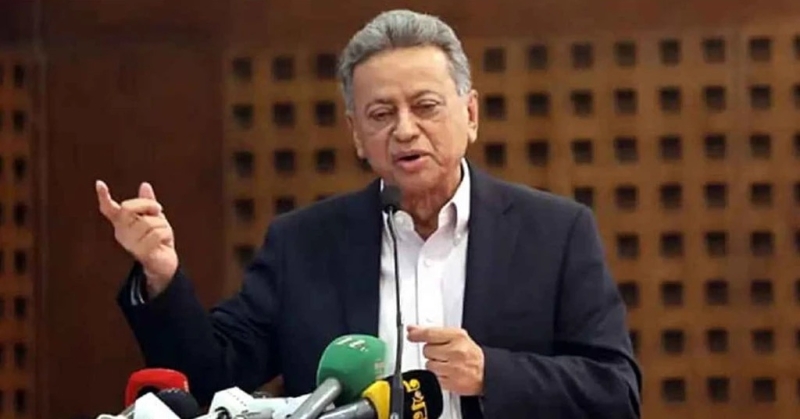
Finance Minister Amir Khosru Mahmud Chowdhury has warned that Bangladesh faces at least two challenging years as the government undertakes difficult measures to stabilise the economy.
Speaking in parliament on Thursday, he said the country would need sustained support and patience to recover from the current economic strain. “The next two years will be difficult. To overcome this situation, we will have to take tough decisions, some of which may not be popular,” he said.
He called for cooperation from all political sides, stressing that economic recovery requires a united effort. Despite the challenges, he expressed confidence that the country would eventually stabilise with the right policies and reforms.
The minister emphasised the need to curb excessive spending, noting that the government can no longer afford to operate beyond its financial capacity. He said reform and deregulation measures are already underway, with more steps in progress to restore economic stability and improve performance.
Painting a concerning picture of key economic indicators, he said the tax-to-GDP ratio has dropped below 7 percent—among the lowest in South Asia. The poverty rate has also risen sharply, increasing from 17.18 percent in 2022 to nearly 30 percent in 2025, according to estimates from the Bangladesh Bureau of Statistics.
Private sector credit growth has declined significantly to around 6 percent, compared to over 18 percent in the mid-2000s, while export growth has turned negative. He also highlighted the growing burden of non-performing loans, which have exceeded 30 percent, warning that such levels could severely disrupt economic activity.
Rising subsidy costs in the power and energy sectors are adding further pressure. The government is currently providing around Tk 36,000 crore in subsidies, with an additional Tk 20,000 to 30,000 crore potentially required.
Addressing criticism over loan defaulters, the minister said loan rescheduling is a common global banking practice. He claimed many businesses faced barriers over the past years, including difficulties in accessing loans and operational challenges that made repayment harder.
He also underscored the importance of respecting constitutional institutions and maintaining political consensus during reform efforts.
Referring to the July Charter, he said it aligns with his party’s reform agenda and reflects the mandate received in the last election, reinforcing the government’s commitment to economic restructuring.