

- Remittance surges to $2.68 billion in 29 days of November |
- Probe body says Hasina had 'green signal' for BDR Carnage |
- BDR mutiny was conspiracy to destabilise BD: Inquiry chief |
- Teesta Bundh ‘renovation’ in Rangpur turns into a 'sand bonanza' |
- সমুদ্র থেকে লাইটার জাহাজে লাফিয়ে উঠলো ৩ মণ ইলিশ |
Supreme Court Secretariat Ordinance, 2025, issued
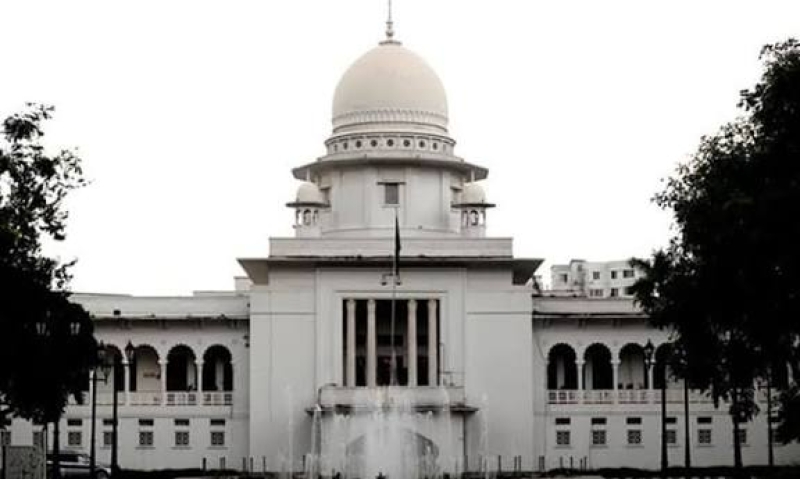
The government has issued the Supreme Court Secretariat Ordinance, 2025, delegating its overall control to the Chief Justice.
The secretary, as per the ordinance issued here on Sunday, will serve as the administrative head of the Supreme Court Secretariat and will enjoy the status and privileges of a senior secretary to the government. The secretariat will consist of a secretary and other officers and employees as prescribed by the rules.
"All employees of the Supreme Court Secretariat shall work under the direct supervision of the secretary," the ordinance said.
Under the ordinance, the secretariat is authorised to establish or abolish subordinate courts and determine their number, structure and jurisdiction. It will also appoint judges of subordinate courts, and the judges, or as applicable, the chairman and members of administrative tribunals, as well as determine their terms and conditions of service.
The secretariat will additionally oversee matters such as creation and abolition of posts, organogram, appointments, terms and conditions of service, postings, transfers, disciplinary issues, leave, administration and other ancillary matters relating to its officers and employees.
Earlier on November 20, 2025, the government gave final approval to the draft ordinance establishing the Supreme Court Secretariat.
The approval came from a meeting of the Council of Advisers, held with Chief Adviser Professor Mohammad Yunus in the chair at the Chief Adviser's Office.
Law, Justice and Parliamentary Affairs Adviser Dr Asif Nazrul later said the Council of Advisers had earlier approved the proposed law in principle.
He noted that establishing a separate secretariat for the Supreme Court was among the recommendations of the Judicial Reform Commission and the National Consensus Commission, reports BSS.
"Once this ordinance is fully implemented, the Ministry of Law or the government will no longer have any control over lower-court judges. All such matters will be handled entirely by the apex court through its own secretariat," he added.
The adviser, however, said the ordinance will come into effect only after the secretariat is fully established.