

- US-Iran Tensions Raise Energy Risks for Bangladesh |
- UN Chief Urges Action to Halt Mideast Escalation |
- Top Iranian Commanders Killed as Tensions Escalate |
- Multiple Arab states that host US assets targeted in Iran retaliation |
- Dhaka’s air quality 3rd worst in the world Sunday morning |
Israel and Saudi Arabia Pressed Trump to Strike Iran
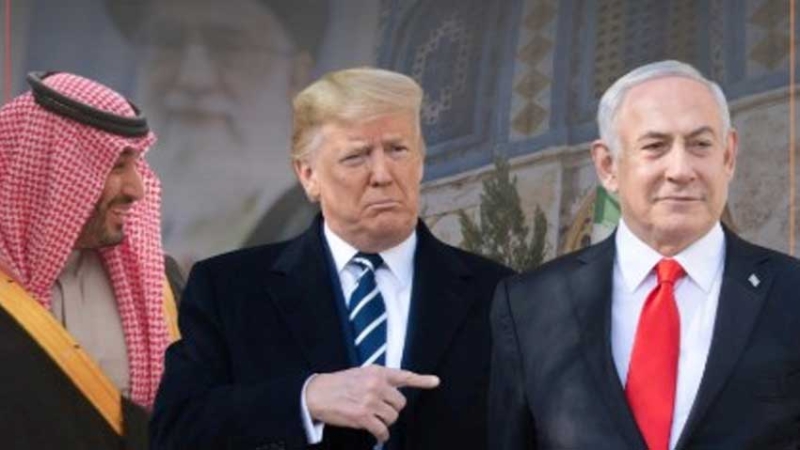
US President Donald Trump’s decision to launch Operation Epic Fury against Iran on Saturday, in coordination with Israel, followed weeks of behind-the-scenes pressure from both Israel and Saudi Arabia, according to officials and regional sources.
Israeli Prime Minister Benjamin Netanyahu publicly urged Washington to take military action against Iran, while Saudi Arabia’s involvement was more nuanced.
Saudi Crown Prince Mohammed bin Salman reportedly made several private calls to Trump over the past month, urging an attack despite publicly supporting diplomatic solutions. At the same time, Riyadh released a statement saying its territory would not be used for the operation. Crown Prince Salman reportedly warned US officials that delaying the strike could allow Iran to grow stronger and more dangerous.
Trump Cites Two Key Reasons for the Strikes
Trump told Axios that Operation Epic Fury was launched for two main reasons: the collapse of US-Iran nuclear talks in Geneva, and intelligence suggesting Iran had begun rebuilding nuclear facilities previously targeted during the Israel-Iran war in June.
“The Iranians got close and then pulled back—close and then pulled back. I understood from that that they don’t really want a deal,” Trump said.
While preparing his announcement of the operation, Trump asked his team to compile a record of every Iranian-linked attack worldwide over the past 25 years, concluding that “every month they did something bad, blew something up or killed someone.”
The strikes represent a major escalation in regional tensions and highlight the influence of allied nations in shaping US military strategy in the Middle East.