

- Tarique Joins Antalya Leaders' Summit at COP31 |
- Tarique Exchanges Greetings With World Leaders at COP31 |
- Climate crisis could push 141m more women into extreme poverty |
- COP31: Energy transition at centre stage for way beyond coal, oil |
- Winter setting in northern districts; cold-related illnesses rise |
World Leaders Begin COP31 Talks Amid Climate Concerns
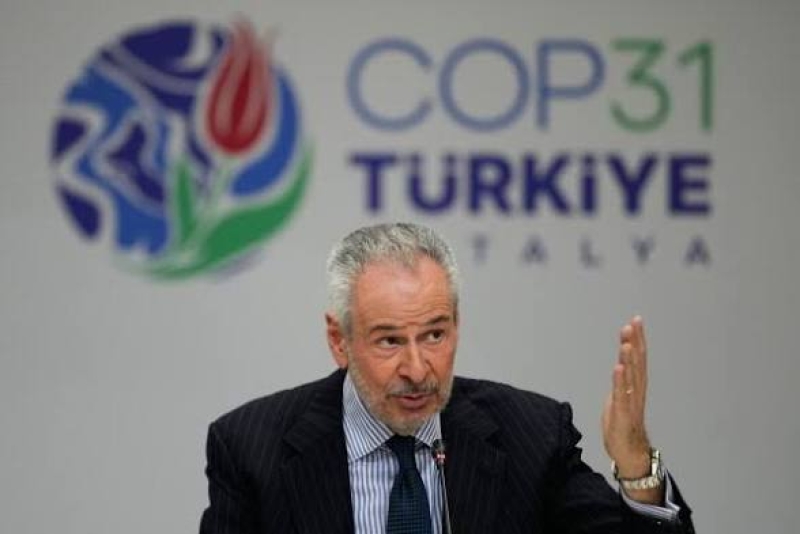
André Corrêa do Lago, COP30 president, speaks during a session at the COP31 U.N. Climate Summit, Tuesday, Nov. 10, 2026, in Antalya, Turkey.
World leaders are set to begin formal discussions on Wednesday at the United Nations climate change conference in Türkiye, seeking concrete measures to tackle global warming amid growing concerns that international efforts remain inadequate and too slow.
However, the prospects for significant progress at the 31st Conference of the Parties (COP31) remain uncertain, as previous climate summits have faced criticism over unfulfilled commitments and limited results.
At the 2023 conference in Dubai, delegates agreed to transition away from fossil fuels, including coal, oil and gas, which are the main drivers of climate change. However, subsequent conferences in Azerbaijan and Brazil failed to secure significant agreements on emissions reductions.
Last year's conference in Brazil ended with a compromise deal pledging additional financial support to help climate-vulnerable countries adapt to the impacts of climate change.
This year's conference, hosted by Türkiye with Australia leading the negotiations, officially opened on Monday amid mounting concerns that global efforts are falling short of what is needed to address the climate crisis.
Scientists warn that global temperatures are likely to exceed 1.5 degrees Celsius (2.7 degrees Fahrenheit) above pre-industrial levels. Limiting global warming to this threshold was a key objective of the 2015 Paris Agreement and has remained central to international climate negotiations.
The discussions are also taking place against the backdrop of the war in Iran, which has driven up global prices of gasoline, oil and petroleum-based products, including fertilisers and pesticides. Rising prices have prompted governments to reconsider their energy policies and investments in renewable sources such as wind and solar power.
"We don't need more promises, we need plans," said John Kerry, a former US secretary of state and presidential climate envoy.
However, the United States, the world's second-largest polluter after China, is notably absent from the conference for the second consecutive year.
US President Donald Trump, who has dismissed climate change as a hoax, has targeted offshore wind energy projects and rolled back regulations aimed at limiting emissions from power plants.