

- Kuakata's natural beauty destroyed by intense sea erosion |
- 461 stranded tourists evacuated from Sajek Valley |
- 30,000 marooned as Khowai embankment breaches in Habiganj |
- Floods Leave Southern Chattogram Under Water |
- Karmasangsthan Bank Aims to Create 900,000 Jobs |
Climate Change Deepens Pressure on CHT Ethnic Groups
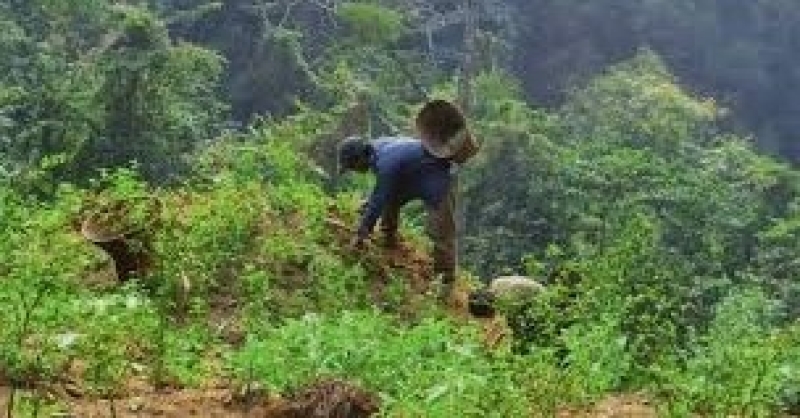
Climate change, environmental degradation and human-driven activities such as deforestation, monoculture plantations and resource extraction are intensifying pressure on ethnic communities in Bangladesh’s Chittagong Hill Tracts (CHT), according to a youth-led study supported by UNESCO.
The research found that these communities are particularly vulnerable as their livelihoods, cultural practices and daily survival remain closely tied to natural ecosystems.
While traditional ecological knowledge continues to play an important role in helping communities adapt to environmental changes, the study warns that these knowledge systems themselves are increasingly under threat.
The findings also highlight a gendered dimension, noting that ethnic women are disproportionately affected due to limited access to resources and participation in decision-making processes.
The study was conducted under the “Youth as Researchers (YAR)” initiative, supported by UNESCO in partnership with Maleya Foundation and Zabarang Kalyan Samity.
Under this programme, young researchers from ethnic communities documented local climate impacts and adaptation practices, bringing community experiences and indigenous knowledge into broader climate discussions.
The findings were presented at a closing event of the initiative in Chattogram, bringing together policymakers, academics, development partners, civil society representatives, ethnic leaders and youth researchers.
Participants included Chattogram Divisional Commissioner Dr Md Ziauddin, UNESCO Representative to Bangladesh Dr Susan Vize, and Chakma Circle Chief Barrister Raja Devasish Roy.
Five youth research teams from Chakma, Marma, Mro, Tripura and Tanchangya communities took part in the initiative, each focusing on different climate-related challenges.
The Chakma team studied youth-led climate adaptation practices in Rangamati. The Marma team documented traditional survival methods alongside emerging adaptation challenges.
The Mro team examined how climate change is affecting natural resources used in making the traditional musical instrument “Plung,” raising concerns about cultural preservation.
The Tripura team focused on the impact of climate change on marginalized ethnic women and their coping strategies, while the Tanchangya team highlighted growing water scarcity linked to stone extraction and expanding rubber and teak plantations.
Together, the studies show how climate change is reshaping livelihoods, ecosystems and cultural traditions across the Hill Tracts in interconnected ways.
The YAR initiative is part of a global UNESCO framework aimed at strengthening youth leadership through research, climate advocacy and community-based engagement. In Bangladesh, the programme began in February 2025 following a national consultation.