

- Dhaka Ranks 6th Among World's Most Polluted Cities on Wednesday |
- RMG Workers' Minimum Wage Raised 36% to Tk 17,000 |
- Decades of gains against AIDS could unravel as HIV funding dries up |
- Five women killed every hour by partners or family members |
- Five Auto-Rickshaw Passengers Killed in Cox’s Bazar Crash |
Mahdi Amin Urges Normal Production in RMG Factories
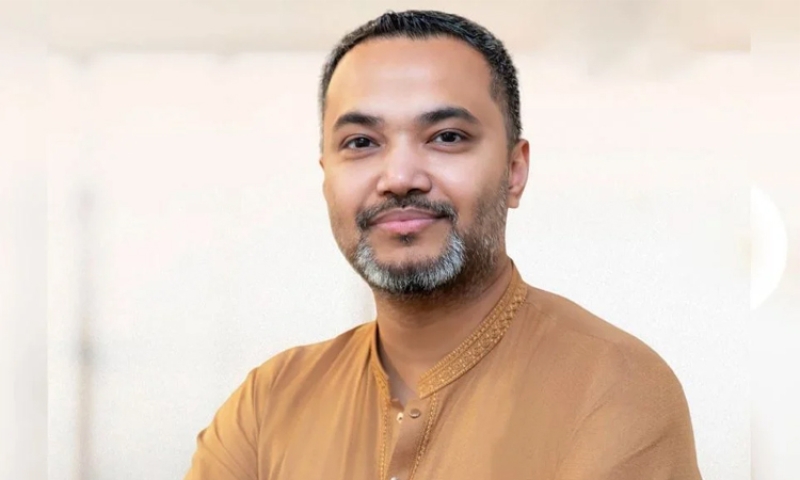
Mahdi Amin
Prime Minister's Adviser on Labour and Employment Mahdi Amin has called on garment workers and factory owners to maintain mutual trust, respect, tolerance and cooperation to ensure a productive working environment.
In a Facebook post on Wednesday, Mahdi, who is also the Prime Minister's Office spokesperson, urged workers and owners not to be influenced by misinformation, provocation or misleading campaigns and to maintain normal production at their respective workplaces.
He said the revised wage structure had been determined by taking into account workers' living expenses, needs and fair expectations, alongside prevailing inflation, the industry's financial capacity and wage levels in competing countries.
The minimum monthly wages in the readymade garment (RMG) sector have been increased by 36 to 43 percent across four grades, with the highest grade receiving Tk 21,500 and the lowest Tk 17,000.
Mahdi said the decision had been reached through consensus among all parties on the RMG Minimum Wage Board.
Under the new structure, the minimum monthly wage for Grade 1 workers, including senior sewing, cutting, ironing and finishing operators, pattern makers, sample makers, screen printers and senior dyeing operators, has been set at Tk 21,500, up from Tk 15,035, representing a 43 percent increase.
For Grade 2 workers, including sewing, cutting, finishing and quality control operators, senior helpers, senior collar joiners and senior cuff makers, the minimum wage has been raised to Tk 20,000 from Tk 14,273, an increase of 40.11 percent.
The minimum monthly wage for Grade 3 workers, including junior operators, experienced helpers, folders, packers, tagging workers and sewing assistants, has increased to Tk 19,200 from Tk 13,550, marking a 41.70 percent rise.
Meanwhile, the minimum wage for Grade 4 workers, including helpers, thread cutters and line assistants, has been fixed at Tk 17,000, up from Tk 12,500, representing a 36 percent increase.
Mahdi said the latest increase came just three years after the previous wage revision in 2023 and would help improve workers' incomes, living standards and socioeconomic security.
Besides the revised minimum wages, workers would also receive their entitled overtime payments and bonuses, which would further increase their overall monthly earnings, he added.
Highlighting garment workers' contribution to the country's exports, Mahdi said the global recognition of 'Made in Bangladesh' had been built on their hard work, skills, sacrifices and dedication.
He stressed that ensuring fair wages, dignity, workplace safety and improved living standards for workers was not merely an economic necessity but also a collective moral responsibility.
Workers' welfare and the industry's prosperity were complementary, he said, adding that a strong and competitive garment sector was essential to safeguarding employment, investment and export growth.
Mahdi thanked the wage board, workers' representatives and employers' representatives for reaching an acceptable wage structure, expressing hope that their collective efforts would strengthen the garment industry and the national economy.